ユダヤ・イスラエル研究
第29号(2015年)
研究ノート
藤井良彦 「ベルリン自由学校」について 1
インタビュー
村岡美奈 アメリカ・ユダヤ人によるイスラエル帰還 12
シンポジウム
解説(武井彩佳) 21
菅瀬晶子 イスラエルのアラブ人市民の政治参加 23
山本薫 イスラエル・アラブの文化創造力 35
池田明史 昨日の敵は今日も敵? 41
特集論文
趣旨(高尾千津子) 43
鶴見太郎 ロシア・シオニズムの亡命 44
高尾千津子 内戦期シベリア、極東における反ユダヤ主義1918-1922 54
中嶋毅 ロシア・ファシスト党とハルビンの反ユダヤ主義1931-19737 66
野村真理 満州―ロシア人・ユダヤ人・日本人の交錯 78
書評
中田一郎 長谷川修一著『聖書考古学』他 90
上村静 ロドニー・スターク著『キリスト教とローマ帝国』 95
白石仁章 モルデカイ・バルディール著『ホロコーストと外交官』 99
黒田晴之 堀邦維著『ユダヤ人と大衆文化』 103
新刊紹介
宮武志郎 市川裕編著『図説 ユダヤ教の歴史』 108
後藤正英 佐藤貴史著『ドイツ・ユダヤ思想の光芒』 110
第11回学術大会報告要旨 112
英文要旨 114
2015年12月18日金曜日
2015年12月5日土曜日
宇田川彩『アルゼンチンのユダヤ人』
宇田川彩『アルゼンチンのユダヤ人 食から見た暮らしと文化』
 風響社、2015年
目次
はじめに
ユダヤ人とは誰か
一 アルゼンチンのユダヤ人
1 アルゼンチンという国
2 アルゼンチンのユダヤ人の来歴
3 言語・教育
小括
二 安息日のハラー
1 安息日の食事
2 ロミナ家の安息日の晩餐
3 食餌規定と聖なるもの
小括
三 苦菜と蜂蜜
1 苦いものと甘いもの
2 ジュディス家の過ぎ越しの祭
3 言葉と食べ物
小括
四 牛肉とアサード
1 牛肉とアルゼンチン人
2 お母さんの料理とユダヤ料理
小括
五 食べ物がもたらすつながり
1 「ホーム」と食べ物
2 食べ物を分かち合うこと
おわりに
注・参考文献
あとがき
http://www.fukyo.co.jp/book/b211049.html

2015年12月4日金曜日
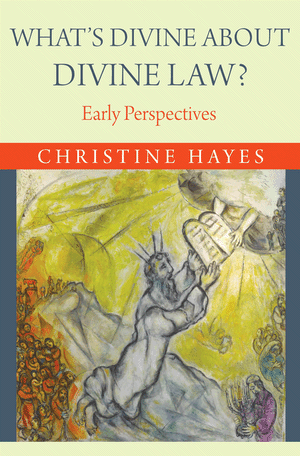
Hayes, What's Divine about Divine Law?
Christine Hayes, What's Divine about Divine Law? -Early Perspectives
Princeton: Princeton University Press, 2015

Contents
Acknowledgments
Abbreviations
Introduction
What's So Divine about Divine Law?
Part I—Two Conceptions of Divine Law
Parts II and III—Three Responses
Part II—Mosaic Law in the Light of Greco-Roman Discourses of Law: Ancient Jewish Responses to the End of the First Century CE
Part III—The Rabbinic Construction of Divine Law
Part I Biblical and Greco-Roman Discourses of Divine Law
Introduction
1 Biblical Discourses of Divine Law
Introduction
Discourses of the Law
Discourse 1: Divine Law as an Expression of Divine Will
Discourse 2: Divine Law as an Expression of Divine Reason
Discourse 3: Divine Law and Historical Narrative
The Multidimensionality of Biblical Divine Law
2 Greco-Roman Discourses of Law
Discourses of Natural Law
Discourse 1: Natural Law and Truth—Logos and Realism
Discourse 2: Natural Law and Cosmopolitanism
Discourses of Human Positive Law
Discourse 3: Law and Virtue—the Inadequacy of Positive Law
Discourse 4: The Flexible, Unwritten, "Living Law" vs. the Inflexible, Written, "Dead Letter"
Discourse 5: The Opposition of Phusis and Nomos?
Discourse 6: Positive Law in Need of a Savior
Discourse 7: In Praise of Written Law—the Mark of the Free, Civilized Man
Additional Literary and Legal Practices: The Juxtaposition of Divine and Human Law
(8) Divine Law as a Standard for the Evaluation of Human Law
(9) In the Trenches—Juristic Theory vs. Juristic Practice
(10) Magistrates and the Equitable Adjustment of Roman Civil Law
Conclusion
Part II Mosaic Law in the Light of Greco-Roman Discourses of Law to the End of the First Century CE
Introduction
3 Bridging the Gap: Divine Law in Hellenistic and Second Temple Jewish Sources
Bridging the Gap
The Correlation of Torah and Wisdom and the Mutual Transfer of Properties: Sirach, 1 Enoch, and Qumran
The Correlation of Torah and Reason and the Transfer of Properties: Aristeas, 4 Maccabees, and Philo
Strategies for Negotiating Universalism and Particularism
Esoteric vs. Exoteric Wisdom: Law’s Narrative in Sirach, 1 Enoch, Qumran, and Philo
Conclusion
4 Minding the Gap: Paul
Paul and the Law
Genealogical Definition of Jewish Identity: Circumcision and the Law
Paul’s Discourse of Ambivalence regarding the Mosiac Law
Conclusion
Part III The Rabbinic Construction of Divine Law
Introduction
5 The "Truth" about Torah
What Is Truth?
Measures of Authenticity
Measure 1: Formal Truth
Measure 2: Judicial Truth—Human Compromise and Divine Judgment
Measure 3: Ontological Truth—Realism vs. Nominalism
The Gaze of the Other
Rabbinic Self-Awareness: The Motif of Mockery
Conclusion
6 The (Ir)rationality of Torah
Making the Case for the Law's Irrationality
Response 1: Conceding and Transvaluing the Premise
Response 2: Disowning the Premise
Response 3: Denying the Premise—Rationalist Apologetics
Ta'amei ha-Mitzvot/Ta'amei Torah
Response 4: Splitting the Difference—an Acute Sense of Audience
Conclusion
7 The Flexibility of Torah
Legislative Mechanisms of Change—a Rhetoric of Disclosure?
Uprooting Torah Law
Uprooting Torah Law in Light of the Praetorian Edict
Nonlegislative Mechanisms of Change—a Rhetoric of Concealment?
Modification of the Law—Internal Values
Modification of the Law—External Values
Moral Critique and Phronesis
Conclusion
8 Natural Law in Rabbinic Sources?
Normativity before the Law
Law Precedes Sinai
Sinaitic Law Begins at Sinai
Accounting for Diverse Rabbinic Views on Pre-Sinai Normativity
The Noahide Laws
Are the Noahide Laws Invariable, Universal, Rational, and Embedded in Nature?
Conclusion
Writing the Next Chapters
Bibliography
Index of Primary Sources
General Index
http://press.princeton.edu/titles/10509.html
Princeton: Princeton University Press, 2015
Contents
Acknowledgments
Abbreviations
Introduction
What's So Divine about Divine Law?
Part I—Two Conceptions of Divine Law
Parts II and III—Three Responses
Part II—Mosaic Law in the Light of Greco-Roman Discourses of Law: Ancient Jewish Responses to the End of the First Century CE
Part III—The Rabbinic Construction of Divine Law
Part I Biblical and Greco-Roman Discourses of Divine Law
Introduction
1 Biblical Discourses of Divine Law
Introduction
Discourses of the Law
Discourse 1: Divine Law as an Expression of Divine Will
Discourse 2: Divine Law as an Expression of Divine Reason
Discourse 3: Divine Law and Historical Narrative
The Multidimensionality of Biblical Divine Law
2 Greco-Roman Discourses of Law
Discourses of Natural Law
Discourse 1: Natural Law and Truth—Logos and Realism
Discourse 2: Natural Law and Cosmopolitanism
Discourses of Human Positive Law
Discourse 3: Law and Virtue—the Inadequacy of Positive Law
Discourse 4: The Flexible, Unwritten, "Living Law" vs. the Inflexible, Written, "Dead Letter"
Discourse 5: The Opposition of Phusis and Nomos?
Discourse 6: Positive Law in Need of a Savior
Discourse 7: In Praise of Written Law—the Mark of the Free, Civilized Man
Additional Literary and Legal Practices: The Juxtaposition of Divine and Human Law
(8) Divine Law as a Standard for the Evaluation of Human Law
(9) In the Trenches—Juristic Theory vs. Juristic Practice
(10) Magistrates and the Equitable Adjustment of Roman Civil Law
Conclusion
Part II Mosaic Law in the Light of Greco-Roman Discourses of Law to the End of the First Century CE
Introduction
3 Bridging the Gap: Divine Law in Hellenistic and Second Temple Jewish Sources
Bridging the Gap
The Correlation of Torah and Wisdom and the Mutual Transfer of Properties: Sirach, 1 Enoch, and Qumran
The Correlation of Torah and Reason and the Transfer of Properties: Aristeas, 4 Maccabees, and Philo
Strategies for Negotiating Universalism and Particularism
Esoteric vs. Exoteric Wisdom: Law’s Narrative in Sirach, 1 Enoch, Qumran, and Philo
Conclusion
4 Minding the Gap: Paul
Paul and the Law
Genealogical Definition of Jewish Identity: Circumcision and the Law
Paul’s Discourse of Ambivalence regarding the Mosiac Law
Conclusion
Part III The Rabbinic Construction of Divine Law
Introduction
5 The "Truth" about Torah
What Is Truth?
Measures of Authenticity
Measure 1: Formal Truth
Measure 2: Judicial Truth—Human Compromise and Divine Judgment
Measure 3: Ontological Truth—Realism vs. Nominalism
The Gaze of the Other
Rabbinic Self-Awareness: The Motif of Mockery
Conclusion
6 The (Ir)rationality of Torah
Making the Case for the Law's Irrationality
Response 1: Conceding and Transvaluing the Premise
Response 2: Disowning the Premise
Response 3: Denying the Premise—Rationalist Apologetics
Ta'amei ha-Mitzvot/Ta'amei Torah
Response 4: Splitting the Difference—an Acute Sense of Audience
Conclusion
7 The Flexibility of Torah
Legislative Mechanisms of Change—a Rhetoric of Disclosure?
Uprooting Torah Law
Uprooting Torah Law in Light of the Praetorian Edict
Nonlegislative Mechanisms of Change—a Rhetoric of Concealment?
Modification of the Law—Internal Values
Modification of the Law—External Values
Moral Critique and Phronesis
Conclusion
8 Natural Law in Rabbinic Sources?
Normativity before the Law
Law Precedes Sinai
Sinaitic Law Begins at Sinai
Accounting for Diverse Rabbinic Views on Pre-Sinai Normativity
The Noahide Laws
Are the Noahide Laws Invariable, Universal, Rational, and Embedded in Nature?
Conclusion
Writing the Next Chapters
Bibliography
Index of Primary Sources
General Index
http://press.princeton.edu/titles/10509.html
山本伸一『総説 カバラー』
 山本伸一『総説 カバラー ユダヤ教神秘主義の真相と歴史』
原書房 2015年
目次・構成
はじめに
凡例
第一部 カバラーの歴史
第1章 古代ユダヤ神秘思想
ユダヤ教の神秘思想はいつ生まれたか?
メルカヴァー神秘主義:神の玉座と宮殿の幻視
『形成の書』ヘブライ語の文字と数字の秘密
第2章 カバラーの黎明期
新しい神秘主義が芽生えた思想的土壌
フランス南部の秘教の学塾
『清明の書』とカバラー文学の源流
スペインの黄金期
カバラーの聖典『光輝の書』
放浪の神秘家、アブラハム・アブーラフイア
第3章 スペイン追放によるカバラーの多様化
カバラーの拡散と多様化
ツフアツトで迎えた第二の黄金時代
北アフリカのカバラー
ルネサンス人文主義とイタリアのカバラー
キリスト教カバラー
第4章 カバラーの新たな展開
シャブタイ派のカバラーとメシア論
隠れシャブタイ派をめぐる論争
カトリックに改宗したフランク派
ルーリア派の伝統とエルサレムのカバラー
初期ハシディズムと大衆化されたカバラー
反ハシディズムのカバリストたち
ルーリア派の教えを守ったクラウスの伝統
第5章 現代におけるカバラーの普及と拡散
ハシディズムの新しい展開
世俗のユダヤ人へと聞かれたカバラーの扉
ユダヤ人のニューエイジから聞かれたカバラーへ
現代イスラエルの伝統的なカバラー
カバラー研究における学問知の内在化
カバラー研究の系譜
日本におけるカバラーの紹介
第二部 カバラーの思想
第6章 セフィロート体系
唯一神のなかの複数性
人間の認識を超越する「無限」の神
知覚可能な神としてのセフィロート体系
両性具有と女性としての神の臨在
セフィロートという概念の由来と意味
第7章 世界の創造と神の身体
秘教になった創造論
神の身体と擬人表現
『光輝の書』の創造論と神人同形論
ルーリア派の創造論と神人同形論
第8章 終末論とメシアニズム
ユダヤ教のメシアニズム
『光輝の書』と記号論的なメシア
アブラハム・アブーラフィアにおける預言者としてのメシア
シャブタイ派のカバラーと善悪を超越するメシア
ハシディズムのメシア観
第9章世界周期論
循環する時間と原初の時間
世界周期論とパラダイムの相対化
へブライ文字とセフィロートとの関係
イスマーイール派とシャブタイ派における反規範主義
第10章 霊魂転生論
異教的な霊魂転生とその秘教性
初期のカバラーの霊魂観
ハイム・ヴィタルの霊魂の系譜と修復
強制改宗者の霊魂をめぐる議論
第11章 律法と戒律
ラビ・ユダヤ教と律法の二重構造
口伝律法としてのカバラーと解釈の深層
二つの律法と律法の相対化
モーセ律法の廃絶とシャブタイ派の反規範主義
第12章 ヘブライ語とヘブライ文字
ユダヤ教とへブライ語
ヘブライ文字の神秘主義
子音と母音
ゲマトリアによる隠れた結びつきの発見
第13章 呪術とテウルギア
呪術をめぐるあいまいな態度
神の世界を修復するテウルギア
呪術と護符
ユダヤ教以外の呪術書への影響
第14章 預言と啓示
神の啓示を伝える預言者
アブラハム・アブーラフィアの預言カバラー
ヨセフ・カロのマギード体験
ハイム・ヴィタルの交霊術
預言者運動としての初期シャブタイ派
おわりに
用語解説
参考文献
索引
http://www.harashobo.co.jp/new/shinkan.cgi?mode=1&isbn=05196-0
2015年10月22日木曜日
嶋田英晴『ユダヤ教徒に見る生き残り戦略』
嶋田英晴
 『ユダヤ教徒に見る生き残り戦略』
(晃洋書房、2015年)
概要
神に選ばれた民として生きるユダヤ教徒は生き残りとアイデンティティーの保持を重視する。周辺諸国や他宗教との軋轢から民族絶滅の危機の中、彼らは現代まで生き残った。背景にある戦略・戦術を中世イスラムから明らかにする。
紹介ページ(晃洋書房)
http://www.koyoshobo.co.jp/booklist/11110/
 『ユダヤ教徒に見る生き残り戦略』
(晃洋書房、2015年)
概要
神に選ばれた民として生きるユダヤ教徒は生き残りとアイデンティティーの保持を重視する。周辺諸国や他宗教との軋轢から民族絶滅の危機の中、彼らは現代まで生き残った。背景にある戦略・戦術を中世イスラムから明らかにする。
紹介ページ(晃洋書房)
http://www.koyoshobo.co.jp/booklist/11110/
2015年10月18日日曜日
シンポジウム「宗教の力と新しい絆」
シンポジウム
「宗教の力と新しい絆―
2015年10月25日
13:00-17:30
上智大学四谷キャンパス2号館508号室
13:00-13:15
はじめに:リチャード・ガードナー(上智大学)
13:15-15:15
第一部「宗教と宗教学のあいだ―チャールズ・ロングの宗教学」
司会:村上辰雄(上智大学)
発表者:木村武史(筑波大学)、平良直(八洲学園大学)、安野正士(上智大学)
コメンテーター:西村明(東京大学)、谷口智子(愛知県立大学)
15:15-15:30
休憩
15:30-17:30
第二部「宗教の力と新しい絆」
司会:島薗進(上智大学)
発表者:大津健一(アジア学院)、ティエリ・ロボアム(上智大学)、武田光世(ラビリンスウォーク・ジャパン)
コメンテーター:山中弘(筑波大学)、葛西賢太(宗教情報センター)
おわりに:リチャード・ガードナー(上智大学)
ポスター(PDFダウンロード)
http://www.sophia.ac.jp/jpn/content/download/38909/398085/file/%E3%82%B7%E3%83%B3%E3%83%9D%E3%82%B8%E3%82%A6%E3%83%A0%E3%80%8C%E5%AE%97%E6%95%99%E3%81%AE%E5%8A%9B%E3%81%A8%E6%96%B0%E3%81%97%E3%81%84%E7%B5%86%E3%80%8D.pdf
日本聖書学研究所公開講座2015
日本聖書学研究所
公開講座
神殿祭儀とその表象
2015年11月14日(土)
14:00-17:00
日本聖書神学校 202号室
会費500円
山我哲雄(北星学園大学教授)
「エルサレム(第一)神殿と古代イスラエルにおける祭儀」
三浦望(ボストン・カレッジリサーチ・フェロー)
「『贖罪』の多様化と内面化―ユダヤ教からキリスト教へ―」
公開講座
神殿祭儀とその表象
2015年11月14日(土)
14:00-17:00
日本聖書神学校 202号室
会費500円
山我哲雄(北星学園大学教授)
「エルサレム(第一)神殿と古代イスラエルにおける祭儀」
三浦望(ボストン・カレッジリサーチ・フェロー)
「『贖罪』の多様化と内面化―ユダヤ教からキリスト教へ―」
登録:
投稿 (Atom)